

Can You Travel Long Distances in an Inflatable Boat?
Oct 31st 2025
The idea of crossing large open waters in an inflatable boat might appear bold to some. While these boats are traditionally valued for their portability and ease of use in short, near-shore trips, advances in design have enhanced their capabilities. Today, many boaters consider undertaking longer voyages with inflatable boats.
The question, 'Can you travel long distances in an inflatable boat?', is increasingly asked by adventurers aiming to explore further on the water. With adequate planning and suitable gear, these adaptable boats are capable of much more than just a short trip around the bay.
Understanding Inflatable Boat Capabilities
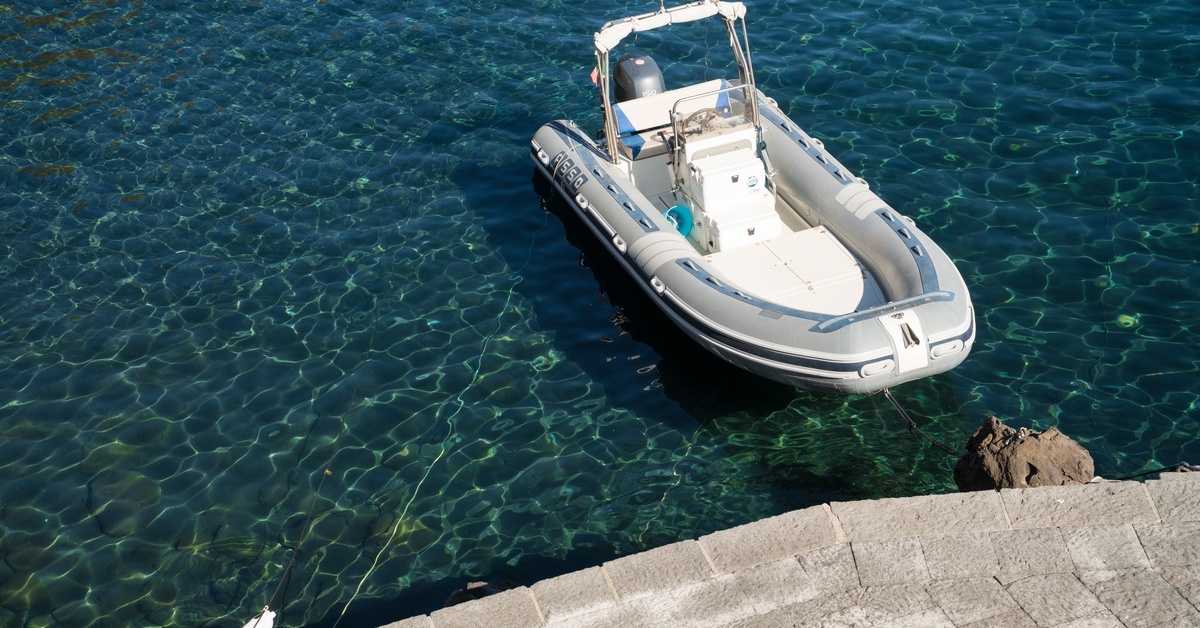
Inflatable boats come in several designs, each with different strengths. The two main categories are soft inflatable boats (SIBs) and rigid inflatable boats (RIBs). SIBs are fully collapsible, making them easy to store and transport. RIBs, conversely, combine an inflatable tube with a solid hull, offering improved stability and performance in rougher waters.
Construction materials also significantly impact a boat's durability. Modern inflatables use robust fabrics like PVC or Hypalon, which resist abrasions, UV damage, and punctures. A well-constructed boat made from high-quality materials provides a solid foundation for any long-distance trip.
Factors for Long-Distance Travel
Embarking on a long-distance journey in any boat requires careful preparation. For an inflatable boat, certain factors become even more important. Success depends on the right boat, meticulous planning, and a prepared boater.
Boat and Motor Selection
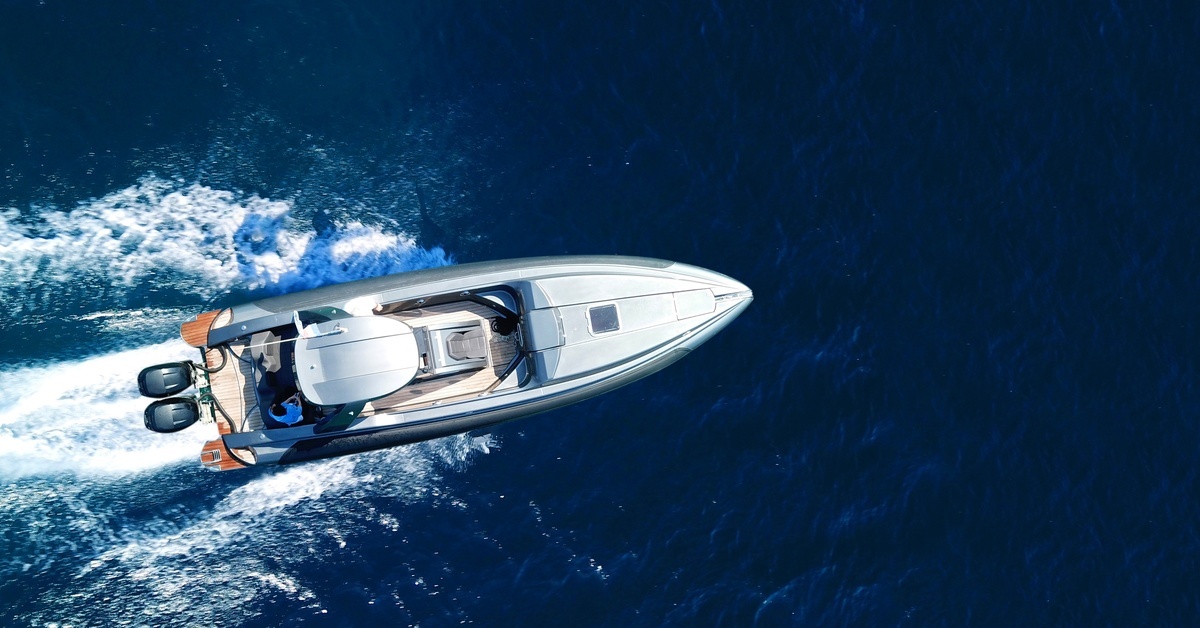
The boat itself is the most crucial element of your long-distance equation. As mentioned, a rigid inflatable boat (RIB) is generally preferable to a soft inflatable. The solid hull of a RIB cuts through waves more efficiently, providing a smoother, more stable ride. This stability significantly reduces boater fatigue over many hours and allows for higher average speeds, which is essential for covering long distances. When selecting a RIB, consider its length, beam (width), and hull design, as these will all influence its performance in open water.
The motor selection is equally important. Your engine is the heart of your vessel, and its reliability and efficiency are paramount. When considering your motor, you have two main options: gas or electric.
Gas Outboards:
Traditional gas motors from reputable brands like Yamaha are known for their reliable power, durability, and consistent performance over time. They benefit from an extensive network of authorized service centers and fuel stations, making them a highly convenient choice for users who need quickly accessible maintenance and refueling options.
These engines provide the range needed for long road trips or outdoor adventures, especially in remote areas where charging stations for electric vehicles are unavailable, ensuring uninterrupted mobility.
Electric Outboards:
Electric motors, like those from ePropulsion, offer a quieter, cleaner, and more sustainable transportation option. They produce no emissions, significantly reducing environmental impact, and require less maintenance, which can save time and costs over their lifespan.
However, their range is limited by battery capacity, which can be a challenge for longer journeys. For such trips, this might mean carrying multiple batteries or carefully planning routes with charging stops to ensure a smooth and efficient travel experience. Advances in battery technology are gradually helping to extend range, making electric motors an increasingly practical choice for a wider variety of applications.
Fuel and Power Management
Proper fuel management is a cornerstone of safe long-distance boating. You must calculate your expected fuel consumption based on your boat, motor, load, and anticipated water conditions. Always carry more fuel than you wish to use. The general rule is to follow the one-third principle: one-third of your fuel for the trip out, one-third for the return, and one-third in reserve for emergencies.
For electric motors, this translates to power management. Plan your trip around available charging points or bring enough charged batteries to cover your entire route with a safe margin.
Weather and Navigation
Weather conditions can change quickly on the water. Before and during your trip, monitor weather forecasts constantly. A small inflatable boat is more susceptible to high winds and large waves. Knowing when to seek shelter is a sign of a smart boater.
Modern navigation tools, including GPS units and marine navigation apps on smartphones and tablets, make it easier to plan and follow your route. Always have backup navigation methods, such as a physical compass and paper charts, in case electronic systems fail.
Safety and Essential Gear
Safety is non-negotiable for any boater, particularly when operating inflatable vessels. Out on the water, conditions can change rapidly, and having the proper safety gear is essential. It's your ultimate safeguard. It’s what transforms a potentially critical situation into a manageable one, ensuring the well-being of everyone aboard.
Your safety checklist should include:
- Personal Flotation Devices (PFDs): One for every person on board.
- Communication Devices: A VHF radio is standard for marine communication. A personal locator beacon (PLB) or satellite phone can be a lifesaver in remote areas without cell service.
- Signaling Devices: Flares, a horn or whistle, and a signal mirror.
- First-Aid Kit: A comprehensive kit tailored to marine environments.
- Anchor: An anchor with sufficient rope is needed for holding your position or for emergencies.
- Repair Kit: A patch kit for the inflatable tubes and basic tools for your motor.
Packing and Storage Strategies
Storage space on an inflatable boat is limited. Therefore, you must pack efficiently and strategically. Use waterproof dry bags to protect your clothing, electronics, food, and other sensitive items. Distribute weight evenly from bow to stern and port to starboard to maintain the boat's stability and performance. Heavy items should be secured low and near the center of the boat.
When packing, prioritize items by importance. Safety gear should always be easily accessible. Pack food and water in a way that is easy to get to, and make sure you have more than enough for your planned trip duration, plus extra for potential delays. Dehydrated meals are a great option as they are lightweight and compact.
Final Preparations for Your Journey
The question of whether you can travel long distances in an inflatable boat comes down to thorough preparation. A high-quality, well-outfitted inflatable boat offers a reliable platform for adventure. Models such as BRIG rigid inflatable boats exemplify this, providing the dependability required for longer excursions by merging a robust hull with the flexibility of an inflatable design.
With meticulous planning, the correct gear, and a profound respect for the marine environment, your inflatable boat can confidently take you on voyages well beyond the immediate shoreline.