

Comparing Electric vs. Gas Boating: What You Should Know
Dec 19th 2025
Choosing between electric and gas-powered boats is a key decision for modern boaters. While gas engines have long been the standard, electric propulsion is gaining traction as a quieter, cleaner alternative.
Comparing electric and gas options highlights the unique benefits and drawbacks of each, depending on how you plan to use your boat. Understanding these differences will help you make the best choice for your needs, whether you value sustainability and quiet operation or prioritize speed and range.
The Core Differences Between Electric and Gas Propulsion
At their heart, these two systems operate on fundamentally different principles. Gas outboards rely on internal combustion, burning fuel to generate power. This process creates noise, vibration, and exhaust emissions but delivers high energy density, enabling long-range travel and high speeds.
Electric motors use stored energy from batteries to spin a propeller. This method provides instant torque and near-silent operation. However, energy storage remains the primary limiting factor for electric boats, affecting both range and top speed compared to their gas counterparts.
How Does Maintenance Differ?
Maintenance requirements vary drastically between the two. Gas engines have hundreds of moving parts and require regular oil changes, filter replacements, and cooling system checks. Neglecting these tasks often results in costly repairs or breakdowns.
Electric motors simplify this equation. With fewer moving parts and no combustion process, they require far less routine attention. You won't need to worry about oil changes, spark plugs, or fuel filters. The primary maintenance concern for electric boats centers on the battery bank, which requires monitoring and occasional replacement after many cycles.
What About Performance and Speed?
Gas engines currently hold the advantage in raw power and top speed. If you need to cover vast distances quickly or enjoy high-speed watersports like wakeboarding, a gas outboard typically provides the necessary thrust and endurance.
Electric motors offer a different kind of performance. They deliver instant torque, meaning acceleration feels responsive and smooth. While top speeds generally lag behind gas models, electric propulsion excels at cruising speeds, offering a relaxing, steady ride ideal for fishing or leisure cruising.
Comparing Costs: Upfront vs. Long-Term
The financial comparison of electric and gas-powered boating involves looking beyond the initial purchase price. Gas outboards usually cost less upfront. The technology is mature, widely available, and benefits from economies of scale.
Electric systems often command a higher initial investment, primarily due to the cost of advanced battery technology. However, the operating costs tell a different story. "Refueling" an electric boat with electricity costs a fraction of filling a tank with gasoline. Additionally, the reduced maintenance requirements of electric motors can lead to significant savings over the vessel's life.
Environmental Impact and Regulations
Boaters increasingly consider their impact on the waterways they love. Gas engines produce emissions that contribute to air and water pollution. Older two-stroke engines, in particular, can release unburned fuel and oil directly into the water.
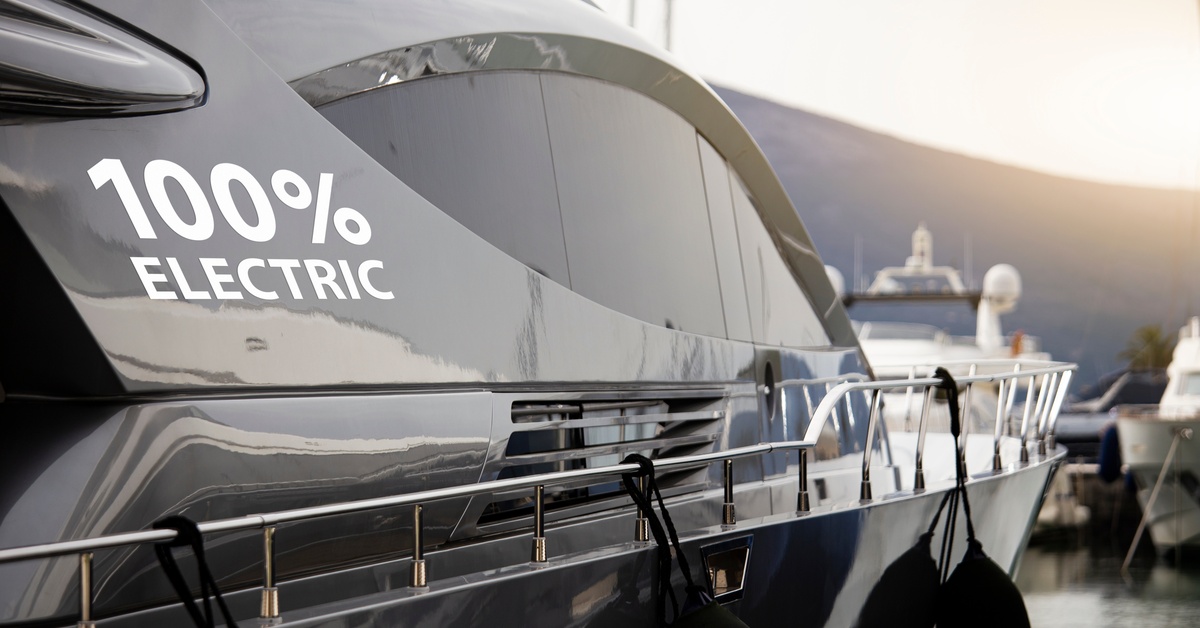
Electric boats produce zero direct emissions. This characteristic allows access to waterways where gas engines are restricted or banned. Many lakes and reservoirs now enforce "electric-only" rules to preserve water quality and tranquility. Choosing electricity ensures access to these pristine environments.
Are There Noise Restrictions?
Noise pollution affects both marine life and other boaters. Gas engines, even modern four-strokes, generate significant noise, especially at high speeds. This can disturb wildlife and make communication difficult on board.
Electric motors operate in near silence. This stealthy approach allows you to get closer to nature without startling wildlife. It also creates a more social atmosphere on board, allowing you to speak at normal volume even while underway.
Range Anxiety and Refueling Realities
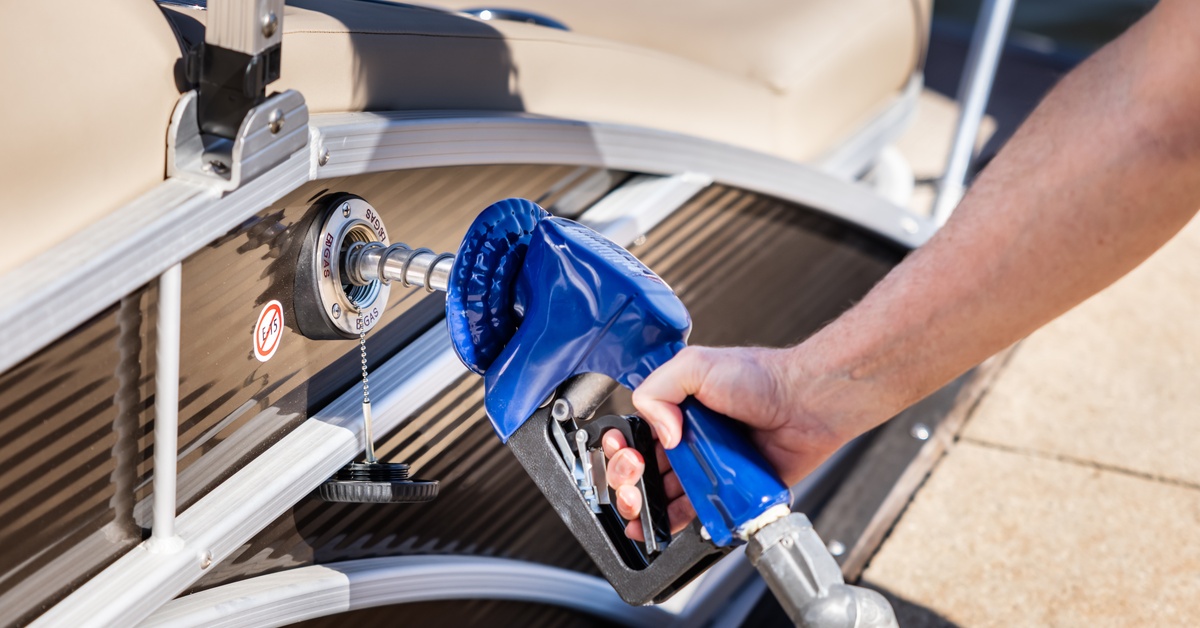
Range remains a critical factor for many boaters. Gas boats offer the convenience of quick refueling. You can carry extra fuel tanks or stop at any marina with a gas pump to extend your day on the water.
Electric boats require charging, which takes time. While battery technology improves annually, "refueling" an electric boat isn't as instantaneous as pouring gas into a tank. You must plan your trips around your battery capacity and charging availability. For day cruisers and fishermen who return to the same dock each evening, this fits seamlessly into their routine. For long-distance voyagers, it presents a logistical challenge.
Suitability for Different Boating Lifestyles
The "best" choice depends heavily on how you use your boat.
Who Should Choose Gas?
- Offshore Anglers: If you head miles offshore, the range and speed of gas are necessary.
- High-Speed Sports: Wakeboarding and waterskiing often demand the high horsepower that gas engines easily provide.
- Long-Distance Cruisers: Those traveling the Great Loop or island hopping need the refueling infrastructure and range of gas.
Who Should Choose Electric?
- Lake and Reservoir Boaters: Electric is perfect for restricted waterways and calm inland lakes.
- Casual Cruisers: If you enjoy sunset cruises or poking around local bays, electric offers a superior experience.
- Tender Owners: Electric motors make excellent power sources for dinghies and tenders, eliminating the hassle of carrying gasoline on the mother ship.
Making the Right Choice for You
Choosing between gas and electric requires an honest assessment of your needs. Consider where you boat, how far you go, and what you value most in your experience. If silence, low maintenance, and access to restricted waters appeal to you, electric might be your answer. If speed, unlimited range, and high power are non-negotiable, gas remains the champion.
Regardless of your choice, getting on the water remains the ultimate goal. Both technologies offer valid pathways to enjoying the freedom of the open water.
Considerations for Switching Power Sources
If you currently own a boat and are considering a switch, repowering offers a viable path. Swapping a gas outboard for an electric equivalent is becoming a common project.
This process involves removing the old engine, fuel tank, and lines, then installing the motor, controller, and battery bank. While technical, it revitalizes older hulls and transforms the boating experience. However, you must carefully calculate the weight distribution, as batteries often weigh more than the fuel they replace.
Resale Value and Market Trends
The resale market reflects the broader industry trends. Gas boats maintain substantial resale value due to high demand and familiarity. Mechanics know how to fix them, and buyers know what to expect.
Electric boats represent a niche but growing market. As battery technology ages, the cost of replacement can impact resale value. However, a well-maintained electric boat with a healthy battery pack can command a premium from buyers specifically seeking that experience.
Finding Support for Your Vessel
Regardless of which propulsion method you choose, having a reliable team to maintain your vessel is vital. Regular service keeps you safe and protects your investment.
If you're in the Los Angeles area and need expert guidance on propulsion or Yamaha outboard support, reach out to the team at RJ Nautical. They’ll help you make the right choices and keep you on the water.