

How to Properly Break In New Outboard Motors
Jul 14th 2026
Table of Contents
- Why Breaking In a New Outboard Motor Matters
- What to Do Before Your First Run
- The Break-In Process: Hour-by-Hour Guide
- Oil and Fuel Considerations for New Motors
- Common Break-In Mistakes to Avoid
- Make Your New Outboard Last
- FAQs
Why Breaking In a New Outboard Motor Matters
When a new outboard motor leaves the factory, it’s never actually operated under real-world conditions. The pistons, rings, bearings, and cylinders need time to seat against each other. The break-in period ensures that all components work together as intended.
There are several advantages to properly breaking in your outboard, and skipping the process can lead to the early failure of your engine. It can also cause poor compression and excessive oil consumption, among other issues. What could have been a 3,000-hour engine can struggle to reach 2,000 hours.
There’s also the warranty to think about. For instance, Yamaha has specific break-in procedures you need to follow to keep your warranty active. If there’s any evidence you’ve skipped the process and/or didn’t do the 20hr / Break-In Service, any future claims you make could be denied.
What To Do Before Your First Run
The first thing you should do is check your engine oil and fuel levels. Make sure you’re using the manufacturer-recommended marine performance oil (like Yamalube) and have filled the engine to the right level.
Next, go around the engine and inspect each connection. Look at the fuel lines, primer bulbs, and hose clamps. Confirm the propeller is properly installed and secure. Also, make sure your motor's shaft length matches the boat's transom height. Any mismatch here can impact cooling and performance.
If you’re not familiar with Yamaha and other outboards or boat motors in general, you may want to contact RJ Nautical. We have Yamaha-certified technicians on site who can assist you with the pre-run inspection and go over options for auxiliary power with you.
Finally, review your manufacturer’s specific break-in guidelines. These can differ from the basic best practices in important ways.
The Break-In Process: Hour-by-Hour Guide
Keep your engine RPMs low and steady during the first hour of operation. This is when the most aggressive initial seating takes place, and pushing the engine too hard, too fast, can disrupt the process.
Once you’ve gotten past the first hour, vary the throttle gradually. Accelerate slowly and try cruising at several RPM ranges. Maintaining a constant speed can cause rings and cylinder walls to wear.
Make sure to monitor your engine’s temperature throughout each outing. Keep it in the normal operating range for your engine model and watch out for signs of trouble, like the engine running too hot or strange sounds and vibrations.
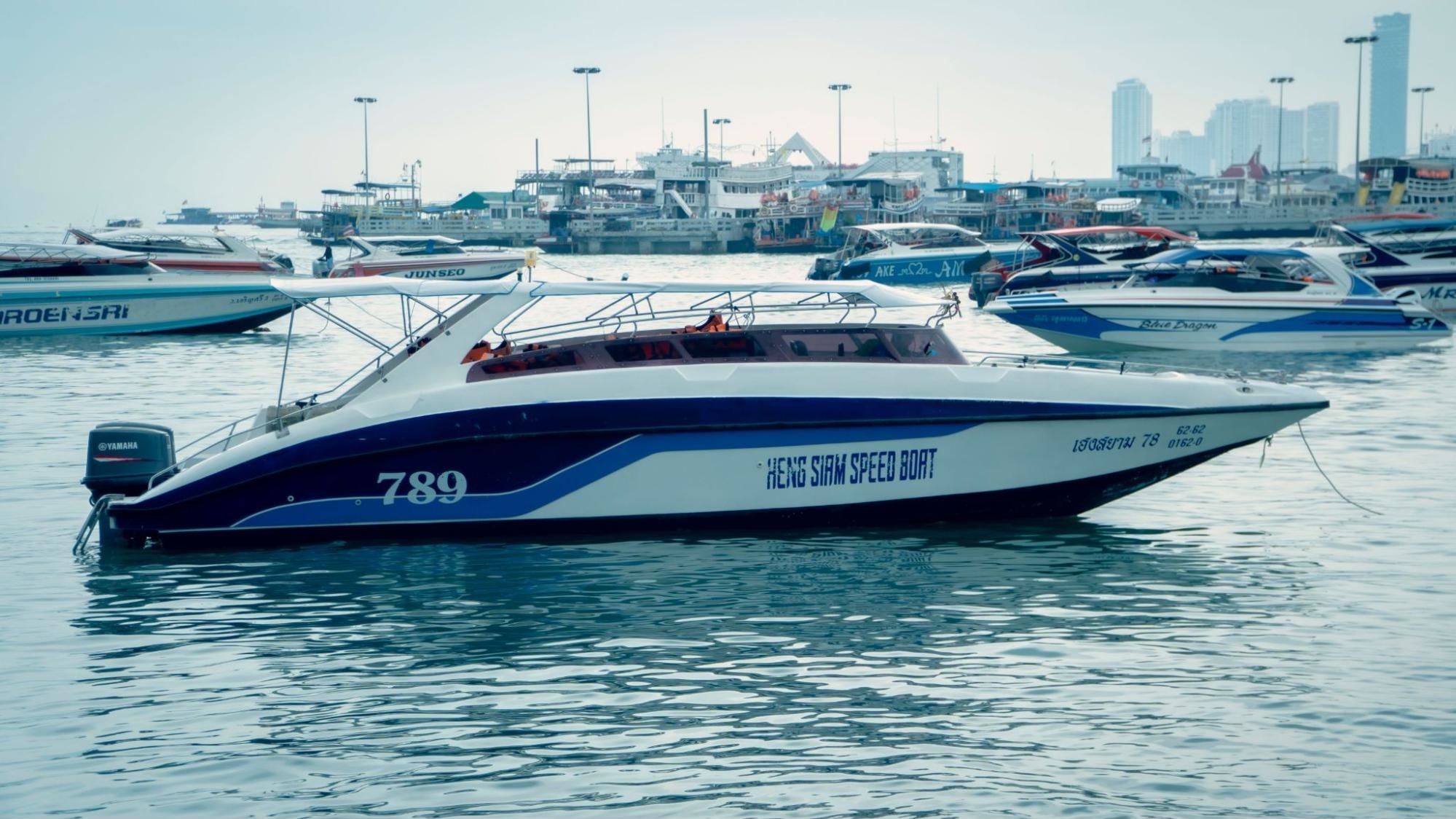
RPM Guidelines During Break-In Period
For the first few hours running your motor, keep RPMs below 3,000. After that, you can gradually increase the throttle RPMs. We recommend using the engine for at least 10 hours before going full throttle for long durations.
That being said, you should always check the manufacturer’s specific guidelines for your engine model, as they may differ from the standard recommendation. In general, start low, increase gradually, and wait an outing or two before testing the engine at its full throttle.
Oil and Fuel Considerations for New Motors
Always use the oil type and grade specified by the manufacturer. For Yamaha engines, that means sticking with Yamalube formulations to maintain proper lubrication during the break-in period.
Avoid ethanol-heavy blends during break-in. E10 is generally fine for today’s outboards, but going any higher can cause fuel system problems. There’s no reason to risk it, either.
Plan to come in for your first service around 20 hours. This visit involves changing the engine oil and filter, replacing the gear lube in the lower unit, and inspecting for any metal particles or water intrusion in the lower unit.
Common Break-In Mistakes To Avoid
Before you start the break-in process with your new outboard, there are a few common errors we want to draw your attention to. These are easy to do and don’t always feel like mistakes when you’re on the water, but they can lead to real issues if left unchecked.
For example, don’t idle excessively during the break-in period. Even though it feels gentle, idling doesn’t put enough load on the engine for the components to seat correctly. New engines need to run under light-to-moderate loads to break in properly. Idling at the dock instead can lead to carbon buildup and cause your engine components to seat incorrectly.
Don’t skip the graduated throttle steps, either. Your engine may sound fine after an hour or two of light running. But jumping straight to high RPMs after that can compromise internal components.
Another common mistake is towing or running a heavy load too early. This will put more stress on the engine, which you're specifically trying to avoid while breaking it in.
Finally, keep an eye out for warning signs, and don’t ignore one if you think you’ve noticed something “off.” Unusual sounds, new vibrations, and a weak stream are all signs that you could have an issue. When this happens, the best thing to do is to return to shore and shut the engine down as quickly as possible. You should then inspect the engine and give us a call at RJ Nautical for guidance from an experienced technician, as it could be covered under Yamaha’s warranty.
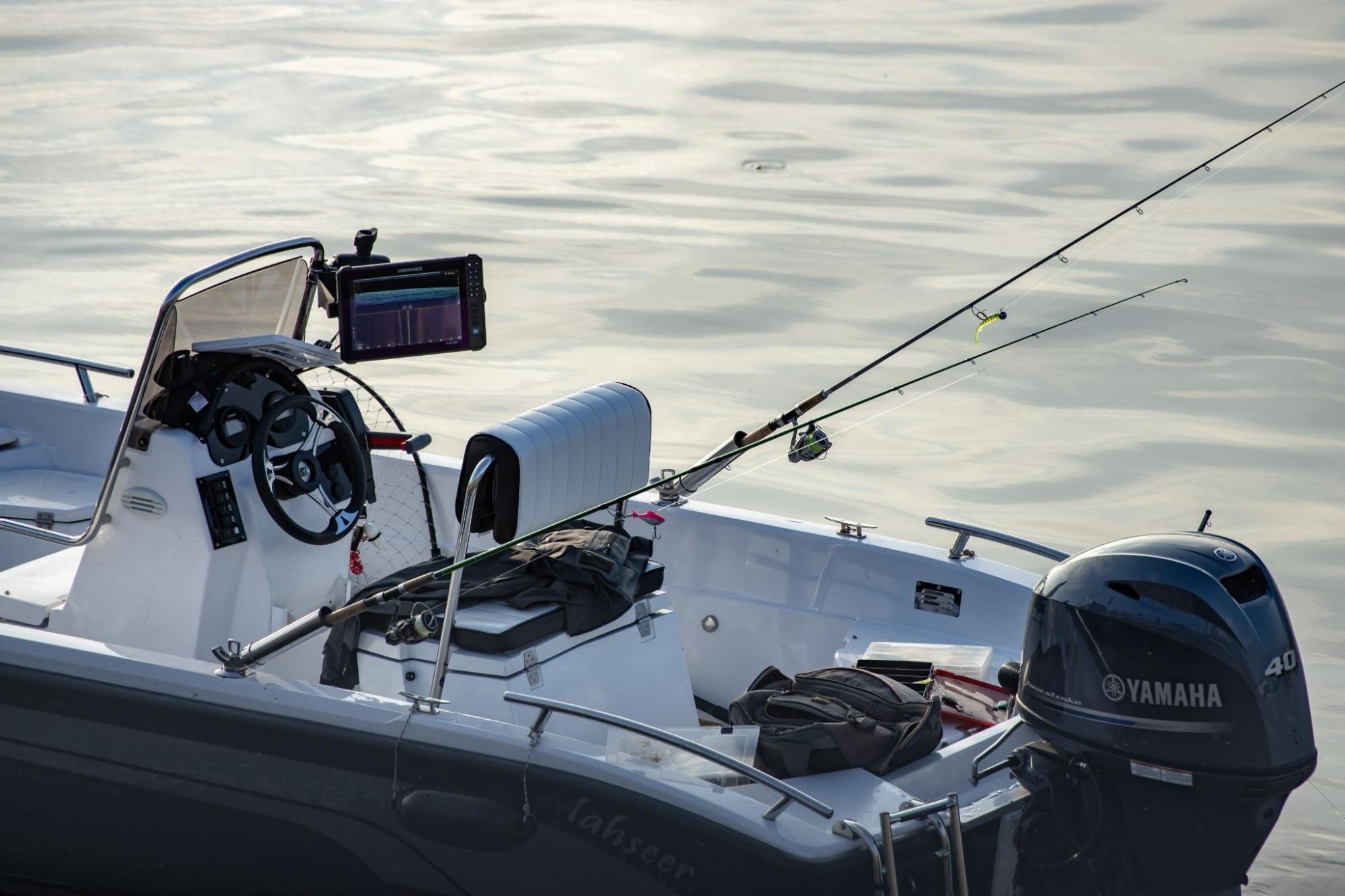
Make Your New Outboard Last
New outboard motors can last a long time when you break them in properly and take good care of them. If you have any questions or are looking to purchase your next motor, get in touch with RJ Nautical. As Southern California’s premier Yamaha dealership, we carry the full lineup of Yamaha outboard products and offer ongoing help with maintenance and repairs through our certified technicians.
FAQs
How long does it take to break in a new outboard motor?
Most new outboard motors need about 10 hours of break-in time. The exact schedule depends on the manufacturer and model. Just note that your first service will come at 20 hours, when a technician will replace fluids and filters as well as inspect the lower unit for water intrusion.
What is the proper way to break in new outboard motors?
To properly break in a new outboard motor, start with a low RPM and vary your engine speed often during the first few hours. Gradually introduce higher RPM ranges as recommended by your manufacturer, and be extra sure to follow any other brand-specific guidelines regarding fuel and oil, or load during your first trips. Note that electric outboard motors don’t always require the same steps.
Can you run a new outboard motor at full throttle?
No, you should not run a new motor at full throttle until you’ve completed the initial break-in process. That typically means about 10 hours of operation, which gives the engine components time to seat before you test them to their limits.
What happens if you don’t break in an outboard motor correctly?
When you don’t break in an outboard motor, internal parts may not seat properly. This can lead to poor compression, increased oil consumption, overheating, and possibly reduced engine life. In addition, you may void your warranty if there’s any evidence that you’ve skipped the break-in process. It’s a risk not worth taking. Be patient and disciplined as you learn your new motor.
Do new outboard motors need an oil change after break-in?
Yes, your motor will need new fluids and filters after about 20 hours of operation. This first visit to your technician should also include a lower unit inspection. This checks for water intrusion, which can lead to complete engine failure if it’s not found quickly.