
Why Regular Maintenance Is the Key to Extending the Life of Your Boat Engine
Jul 12th 2026
Recreational boating has become one of the country’s most reliable leisure markets, and most owners will tell you the appeal is not hard to understand. Being on open water feels like freedom, and whatever pressure follows people through the rest of life tends to stay on shore.
But the financial side of ownership is a different matter, and that reality usually comes into focus where the stakes are highest. For the tens of millions of Americans who go boating each year, the engine is one of the costliest parts of ownership to neglect.
Most experts put annual upkeep at roughly 10% of a vessel's purchase price, meaning a $50,000 boat runs about $5,000 a year in maintenance, and when owners fall behind on that schedule, the expenses that follow tend to be significantly higher.
A failed outboard requiring full replacement costs anywhere from $11,000 to well over $100,000, depending on horsepower and configuration, and those replacement costs have been rising alongside broader equipment prices throughout the marine industry.
The technicians at RJ Nautical, a Yamaha Marine Service Pro Elite-certified operation based in Southern California, handle the consequences of deferred upkeep regularly. And the engines that arrive after years of skipped service almost always carry repair bills that a fraction of that cost in routine maintenance could have prevented.
Why Preventive Maintenance Matters More Than Ever
Prevention almost always costs less than repair, and for a marine outboard working against saltwater and open-water strain, the distance between those two costs can be wide.
Preventive maintenance is the practice of staying ahead of mechanical failure through scheduled inspections and timely service, including fluid changes and part replacements on a set schedule. Well-maintained four-stroke outboards routinely run 1,500 to 3,000 hours or more, while engines that miss regular upkeep often fall well short of that range.
And the safety side is just as important, because a stalled engine on open water carries consequences a stalled car does not, and many of those situations begin with maintenance that was pushed off too long.
Alex, a South Florida mechanic with two decades around saltwater marinas, wrote that “skipping a $100 service can easily lead to a $10,000 repair down the road.” More boat owners now recognize this reality, and with new boat prices still high, many are keeping what they own longer and treating it like a long-term investment worth protecting.
The Most Critical Areas to Maintain
Good engine care does not demand a mechanic’s background, only consistent attention to the systems that cause the most damage when neglected.
Fuel and oil filters are among the first to get overlooked, and BoatU.S. reports that 90% of diesel engine failures trace back to contaminated fuel, because bad fuel rarely stays contained once it moves through the system.
The cooling system carries its own risk since a 300-horsepower engine moves roughly 30 gallons of water through it every minute. And if a loose-fitting or worn hose disrupts that movement, the engine can overheat quickly and push the problem beyond a simple repair.
Electrical connections deserve that same kind of attention because corrosion often starts long before a boat shows any obvious signs of trouble. None of this is complicated, but it does depend on the kind of consistency that keeps small failures from turning into expensive ones.
The Hidden Threat of Corrosion and Wear
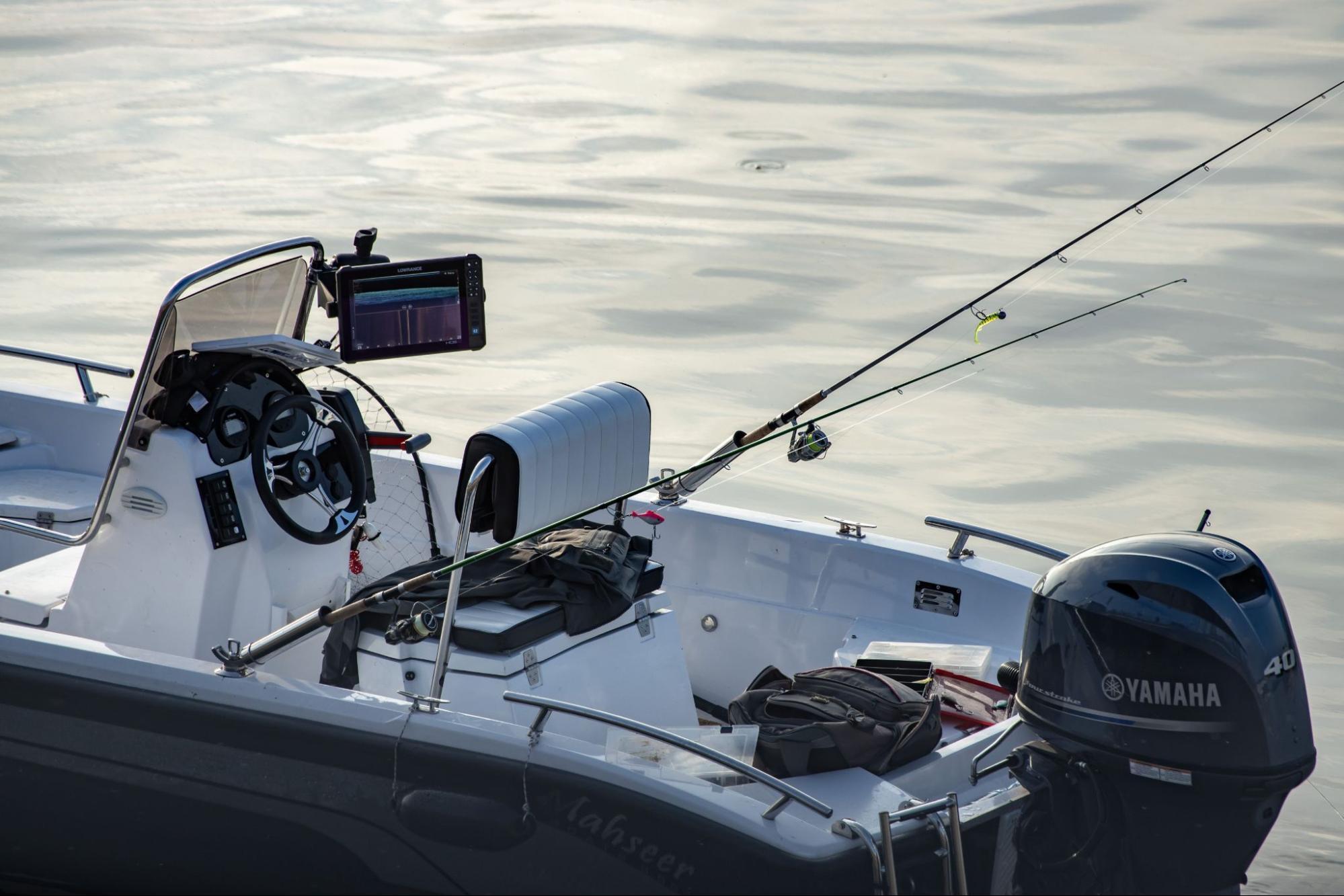
Environmental decay moves much more slowly than a mechanical failure, and for many boat owners, that makes it easier to underestimate. Saltwater, for example, makes that slow damage more aggressive because it keeps working on exposed metal after the engine is off and the boat is back at the dock.
Humidity also makes the problem worse by holding moisture inside engine compartments and wiring after a trip is over, while day-to-night temperature changes create condensation in places owners rarely think to check.
For those reasons, boating experts advise freshwater washing after every use, along with protective treatment on exposed parts, since salt left behind keeps breaking surfaces down after the trip ends. Ignore that cycle long enough, and light wear turns into pitting, rust, or buildup that shortens the life of parts owners expect to keep for years.
Small Fixes vs. Major Repairs
Most of what eventually kills a marine engine starts as a small, inexpensive part that went unaddressed, and the difference between fixing it early and waiting for the engine to fail is measured in thousands of dollars.
Most outboard repairs cost between $100 and $5,000, depending on what failed and when it was caught. While a full engine replacement runs from $5,000 to over $20,000, and the cost difference between those two scenarios only grows the longer a problem goes ignored.
Powerboat Magazine notes that engine failures often spread beyond the first damaged part, because once wear moves through a motor, the strain rarely stays contained to one area.
Catching that original weak point during a routine inspection stops the damage before it spreads. And owners who deal with small repairs early usually keep their boats running smoothly and protect an investment that only gets more expensive over time.
Building a Long-Term Maintenance Routine
A boat that sits unused for months faces a different kind of wear than one that runs every weekend, and owners who only head out a handful of times a season are often the most surprised when they start the engine and find something wrong.
Stale fuel absorbs moisture and begins to break down when a boat sits for extended periods, while rubber seals and internal engine parts lose their protective coating the longer a motor goes without running.
Most major marine manufacturers, including Yamaha, address this directly by recommending a full service every 100 hours of operation or once a year, whichever comes first, regardless of how light the use.
Pairing that schedule with a seasonal inspection at the start and end of each boating year, along with a basic maintenance log that records what was done and when, keeps most owners well ahead of the failures that tend to catch unprepared boaters off guard.
What This Means for Today’s Boat Owners

Boat ownership has always carried long-term costs, but rising prices for parts and repair work have made routine maintenance feel far less optional than it once did. More owners now approach service intervals the same way they approach insurance or storage costs, because keeping an engine healthy is still far cheaper than replacing one after years of neglect.
A well-documented maintenance history also becomes part of the boat’s value once it enters the resale market. And buyers paying for a professional inspection are looking for that history to hold up under review, and missing records often raise questions before the inspection even begins.
Marine service professionals like RJ Nautical often request maintenance logs from prospective buyers seeking help for a boat’s pre-purchase inspection, even before they spend time inspecting the physical outboard, since legitimate service records give the first indication of how seriously a boat was maintained. Often, sellers don’t have service records because they’ve skipped services or didn’t have them performed at an authorized dealer that keeps detailed records. This lessens the value of the sales price, as the buyer could request services be completed before the sale. This further adds to the cost of the seller’s ownership, as they don’t want to lose the sale of their boat and likely absorb a cheaper sales price.
Owners who understand how their engines age, how systems wear, and how service records affect value usually make stronger long-term decisions because they are working from information instead of reacting to expensive surprises.
Conclusion: Maintenance as an Investment, Not an Expense
No matter how you approach boat ownership, routine maintenance remains the most reliable way to get more life out of an engine and fewer surprises out of a season. Preventive care reduces the most expensive risks, including unplanned repairs and extended downtime, and it keeps ownership costs far more predictable over time.
And as parts prices and labor rates continue climbing, the owners who treat maintenance as a built-in part of running a boat will be far better positioned than those who treat it as something to put off until the engine shows them otherwise.
Reaching that position is precisely what operations like RJ Nautical are designed to support, working alongside owners who treat their boats as long-term investments rather than short-term expenses. And the owners who take that responsibility seriously are usually the ones who stay on the water longer and safer.