

OEM vs. Aftermarket: The Case for Genuine Yamaha Parts
Oct 13th 2026
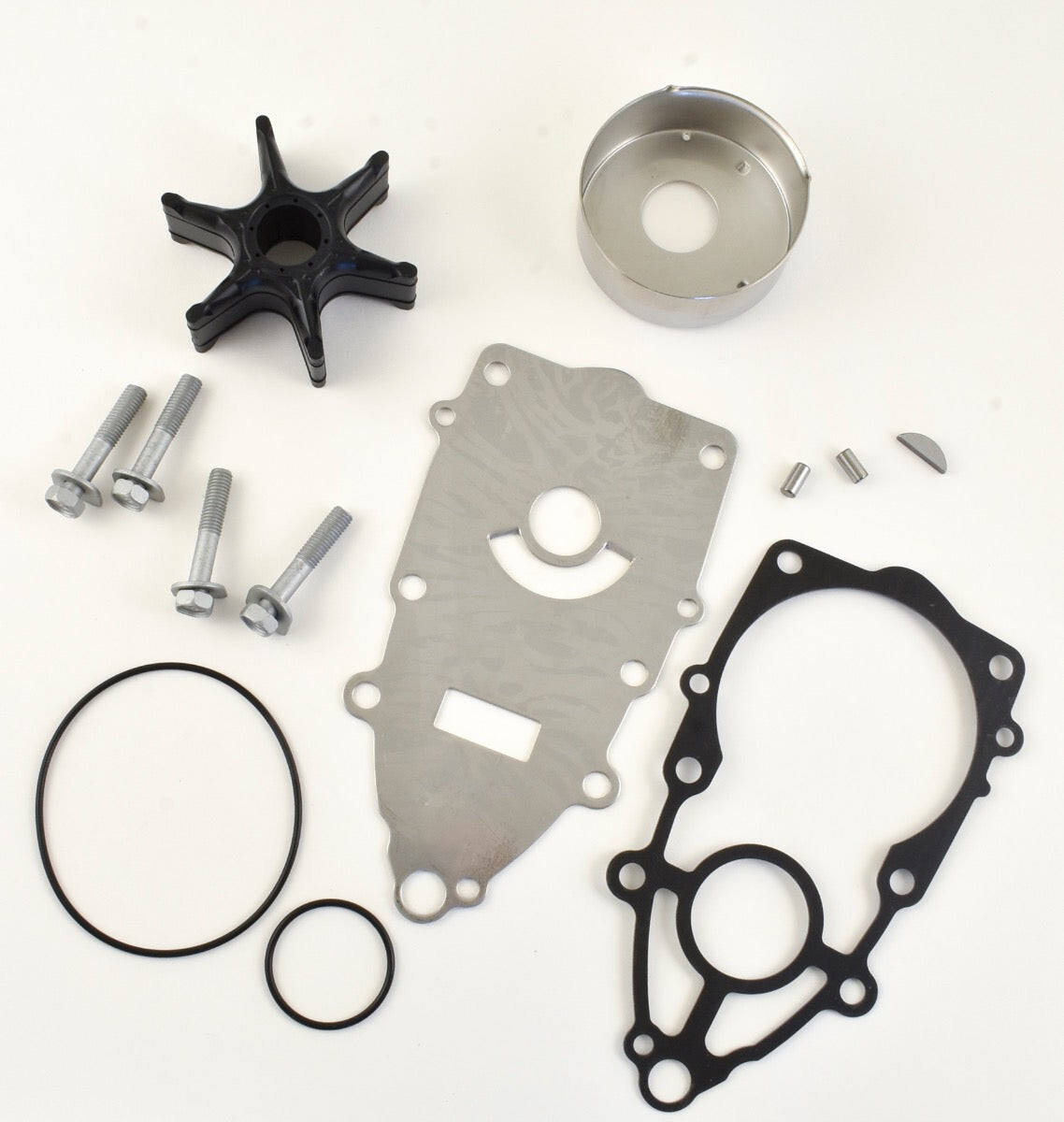
Saving $20 on a water pump impeller feels like a smart move until the part fails miles from the dock. Cheap parts can cost boaters far more than they save, through tow bills, overheated powerheads, and repairs running into the thousands.
When you compare OEM vs aftermarket parts for a Yamaha outboard, genuine Yamaha parts give you an exact fit, consistent quality, and warranty support. Aftermarket parts typically come at a lower cost upfront, but part quality varies by brand and batch, and it only takes one failure for major engine damage.
Table of Contents
- What Does OEM Mean?
- How Aftermarket Parts Are Made Differently
- The Real Costs of Choosing Aftermarket
- Where Genuine Yamaha Parts Win Every Time
- Warranty, Liability, and Resale Value
- How to Identify Genuine Yamaha Parts
- Choose Genuine Yamaha Parts for Every Repair
- FAQs
What Does OEM Mean?
OEM stands for Original Equipment Manufacturer. For your outboard, Yamaha is the manufacturer. OEM parts are designed, tested, and approved by Yamaha to match the specifications of the engine they go into. Some are produced in Yamaha's own factory, while others come from a contracted supplier built to Yamaha's OEM specs and inspection standards. Either way, the part carries Yamaha's name and has earned Yamaha's approval.
Aftermarket parts are made by third-party companies with no connection to Yamaha. Some aftermarket brands make decent products. Others cut corners to hit a cheaper price point. None are sanctioned by Yamaha, none have access to the design data behind your engine–and none are warrantied.
You may know these terms from buying auto parts. When a body shop replaces body panels or a mechanic works on your brakes, the choice between factory parts from the vehicle manufacturer and aftermarket brake pads comes down to fit, safety, and price. Plenty of vehicles today run fine on aftermarket parts for simple items. A boat engine is a different situation. It runs at high RPM for hours, sits in corrosive saltwater, and has no shoulder to pull over on. The car maker comparison only goes so far.
How Aftermarket Parts Are Made Differently
Most aftermarket parts start with reverse engineering. A company buys a genuine Yamaha part, measures it, and builds its own version. Measuring a finished part, however, doesn't reveal the original tolerances, material grades, or heat treatments behind it. The copy may look identical on the shelf and still behave differently under load.
Materials are a common place to save money. An aftermarket impeller may use a different rubber compound. A gasket may use cheaper fiber, and a fuel line may not hold up to ethanol blends as well. These are small differences on paper, but they matter once the part is installed.
Aftermarket makers also have no access to Yamaha's proprietary engineering data. They don't know how a part's calibration was set to work with the engine's sensors, cooling flow, or fuel mapping. They're working from the outside in, which is one reason look-alike parts can end up being lower quality in practice.
The Quality Control Gap
Genuine Yamaha parts go through Yamaha's internal testing protocols before they're sold. Every production run is held to the same standard, which is why OEM parts deliver consistent quality from one order to the next.
With aftermarket parts, quality control depends entirely on the supplier. One batch may be fine and the next may be off by a fraction of a millimeter. Many aftermarket suppliers source from multiple plants, so the part you buy this spring may differ from the one you bought last year, even under the same brand name. This inconsistency is the biggest quality difference between the two, and it's hard to spot until something goes wrong.
Organizations like the American Boat & Yacht Council develop safety standards for boat design, construction, and repair because small component failures on the water can have serious results. Yamaha builds its parts with those real-world conditions in mind.
The Real Costs of Choosing Aftermarket
The main advantage of aftermarket parts is price. The gap at the register is real, and it's easy to see why customers are tempted. But the sticker price is only part of the math.
An aftermarket part that fails early means you have to replace it sooner. Each replacement adds labor costs, and if a failure damages nearby components, you're paying to repair those too. A part saving you 30% upfront can end up costing several times its price once you add up the service visits. Many owners don't realize this until the second or third repair.
Engine Damage Risks
Outboards are built to tight tolerances, and poorly fitting parts cause accelerated internal wear. A slightly undersized seal lets water past. A loose bearing creates vibration. A thermostat that opens at the wrong temperature changes how the engine manages heat.
Wrong tolerances increase heat and friction, and heat is one of the fastest ways to damage an outboard. Take the water pump impeller as an example. If an aftermarket impeller's vanes are too stiff, too soft, or the wrong length, cooling flow drops. The engine runs hot, and by the time the overheat alarm sounds, the damage may already include warped heads or scored pistons.
One bad part can cascade into engine failure. The cheap component isn't the expensive part of the story. The powerhead is.
Safety on the Water
A broken-down car can pull onto the shoulder. A boat that loses power may be miles from shore, in changing weather, with no easy way home. Marine failures carry a different level of risk, which is why the BoatUS Foundation recommends regular inspection of engine, fuel, and cooling components.
Fuel system parts deserve extra attention. A poorly made fuel hose, fitting, or fuel filter can leak fuel into the bilge and create a fire risk. A failed cooling hose can let water in where it doesn't belong. These failures aren't everyday events, but they aren't rare either, and when compromised parts fail on the water, the people on board carry the risk.
Genuine Yamaha Parts Win Every Time
Genuine Yamaha parts are built for an exact fit. There's no filing, shimming, or guesswork during installation, and no fitment issues afterward. They work as direct replacements for the parts your engine came with, from small seals to structural parts like brackets and lower unit housings.
They're also designed as part of Yamaha's full system. Each component interacts with others: the fuel pump with the injectors, the thermostat with the cooling passages, and the power trim and tilt unit with the steering. Yamaha engineers those relationships together, and OEM parts keep them in balance.
A longer service life also lowers your total cost of ownership. Quality parts lasting their full rated interval mean fewer replacements, less labor, and more time on the water. A reliable motor ensures safe trips and fewer unexpected breakdowns. While countless companies build outboards, some stand out for their consistency, innovation, and customer trust. The parts you put into your engine help keep it in the same group.
Performance and Reliability
OEM parts maintain factory power and efficiency. A Yamaha propeller is manufactured to the pitch and blade geometry your engine was tuned around. Spark plugs, filters, and sensors built to spec keep combustion and fuel delivery where they should be.
Fuel economy also stays optimized with the correct components. Many new outboard models now include electronic fuel injection (EFI) as a standard feature. EFI systems depend on accurate sensor readings, and an aftermarket sensor reading slightly off can push the engine rich or lean. You'll often notice it in fuel burn and throttle response before you ever see a warning light.
With genuine parts, your engine runs the way Yamaha's engineers intended.

Warranty, Liability, and Resale Value
Aftermarket parts can put your Yamaha engine warranty at risk. Using a non-genuine part doesn't always void coverage automatically, but if the part causes a failure, Yamaha may not cover the repair. The cost of the damage then falls on you.
Insurance is another consideration. After a failure, an insurer may look at what was installed and who installed it. If an aftermarket part turns out to be the cause, a claim can become complicated or be denied.
Genuine parts also protect resale value. When you sell or trade in your boat, buyers want to know how the engine was maintained. A documented OEM service history from an authorized dealership builds buyer confidence and supports a stronger price. Shoppers often ask whether it's worth paying more for used or new boat motors, and a clean OEM service record makes your used engine an easier choice.
How to Identify Genuine Yamaha Parts
Look-alike parts are more common online than many boaters expect. Before you make a purchase, use these checks:
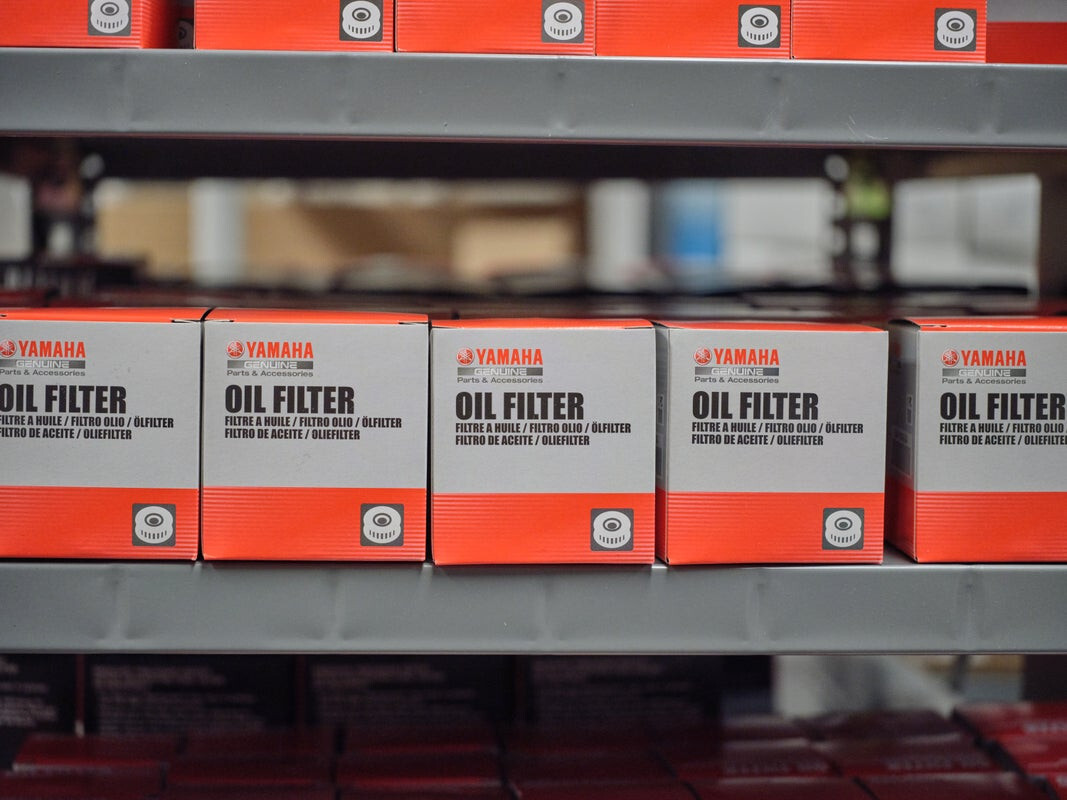
- Check the part number and packaging. Genuine Yamaha parts carry official Yamaha part numbers (for example, 5GH-13440-90-00 for a common oil filter) and come in Yamaha-branded packaging. Poor printing, misspellings, or plain bags are red flags.
- Buy from an authorized Yamaha marine dealer. Authorized dealers source directly from Yamaha, so there's no doubt about where the part came from.
- Be wary of suspiciously cheap listings. If a price is far below what a dealer charges, there's usually a reason. Unmarked parts, vague descriptions, and sellers with no return policy are worth avoiding.
- Do your research on the seller. Look for a physical location, a service department, and real product support.
Buying Through RJ Nautical
RJ Nautical is an authorized Yamaha dealer that stocks genuine Yamaha parts for a wide range of models, from portables to offshore V8s. Our expert staff can help match parts to your engine by model, year, and serial number, so compatibility is never a guessing game. Availability can shift with seasonal demand, and our team can check stock or order what you need. Buying from a company servicing the same engines it sells gives you confidence in every purchase.
Choose Genuine Yamaha Parts for Every Repair
When it comes to OEM vs aftermarket, the key differences come down to fit, testing, and accountability. Aftermarket parts may save money today, but genuine Yamaha parts protect your engine, your warranty, and the people on board. For a Yamaha outboard, OEM is your best bet. Contact RJ Nautical to find the right genuine Yamaha parts for your engine.
FAQs
What is the difference between OEM and aftermarket Yamaha parts?
OEM Yamaha parts are made by Yamaha or its approved suppliers to match the original specifications of your outboard. Aftermarket parts are made by third-party manufacturers and may vary in fit, quality, and performance.
Are OEM parts better than aftermarket parts for Yamaha outboards?
In most cases, yes. OEM parts are engineered specifically for Yamaha equipment, so they maintain proper fit, performance, fuel efficiency, and long-term durability. Paired with regular engine maintenance, they also reduce the risk of compatibility issues during installation or operation.
Do aftermarket Yamaha parts void the warranty?
Not always automatically, but problems caused by non-genuine parts may not be covered. If an aftermarket part fails or damages another component, repair costs could become the owner's responsibility. Having certified Yamaha technicians install genuine parts is the best way to protect warranty-related service.
Why should I choose genuine Yamaha marine parts?
Genuine Yamaha marine parts are designed to meet Yamaha's exact standards for performance, corrosion resistance, and durability in harsh marine environments. They help ensure the right fit and dependable operation, which gives boaters more confidence on the water.