Marine Service Pro Elite: California's highest-rated Yamaha Outboards Service Center
Learn More
Fuel Filters
10-MICRON FUEL/WATER SEPARATING FILTER The spin-on 10-micron fuel/water separating filter is located in the fuel line between your fuel tank.
Replace every 50 hours of engine operation or if you get a bad tank of gas. When installing a new filter, apply a thin film of clean engine oil to the gasket when installing the filter. That will make it much easier to remove when it’s time. Also filling a new replacement filter about ¾ full with fresh, stabilized fuel before installation will make priming the fuel system quicker and easier.
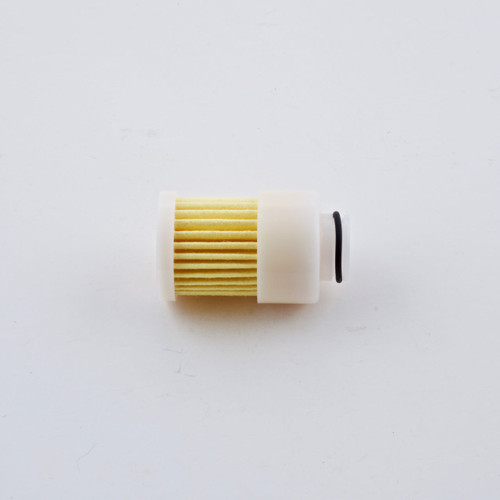
TIP: Do not simply remove the filter, dump the fuel, and reinstall it. Captured debris and water could enter the “clean” side of the filter and be released into your fuel system. PRIMARY ON-ENGINE FILTER Locate: The primary on-engine filter is typically on the front, side, or rear of the powerhead. It’s usually see-through and features a small water trap at the bottom of the cup. If there’s water in here, it’s time to change your 10-micron filter.
Replace: After every 100 hours of engine operation.
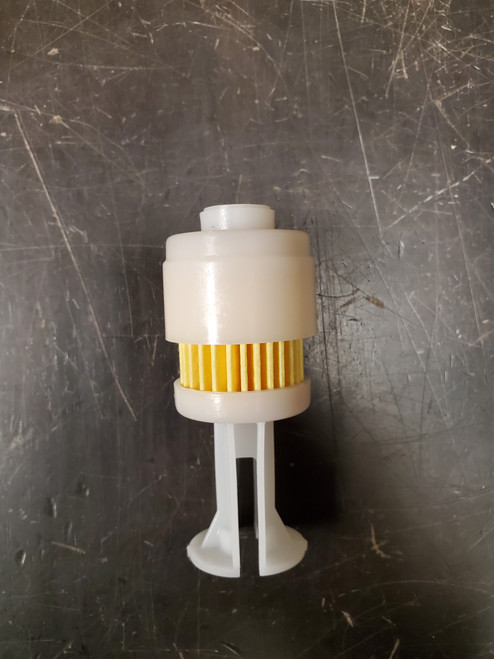
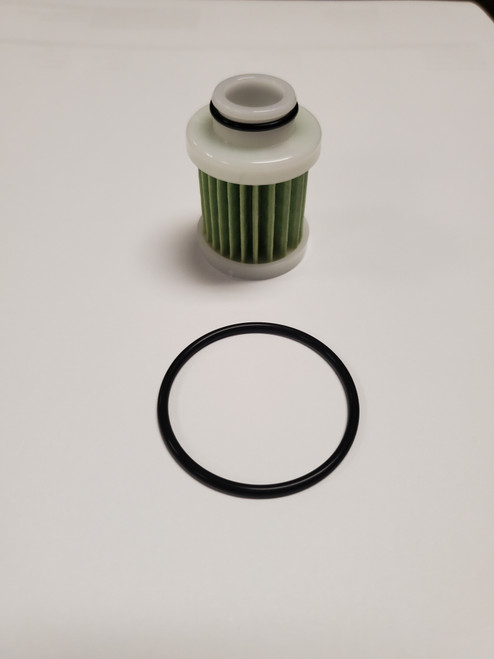
TIP: On Yamaha outboards, there may be a red ring visible inside this filter. Don’t ever remove it. If it’s floating, you’ve got water in this filter’s trap. VAPOR SEPARATOR TANK (VST) FILTER Locate: This filter is attached to the electric fuel pump in the Vapor Separator Tank (VST) and filters gas again just before it’s pressurized into the fuel injection rail(s).
Inspect and/or replace: Have your authorized Yamaha Marine dealer replace after every 300 hours of engine operation. (Provided that the 10-micron external and initial on-engine filters have been serviced and maintained properly. Properly treated fuel will also extend the life of these filters.)
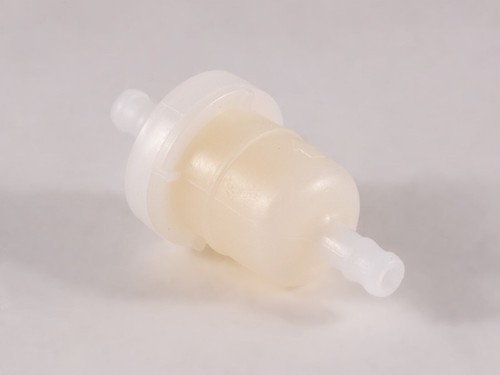
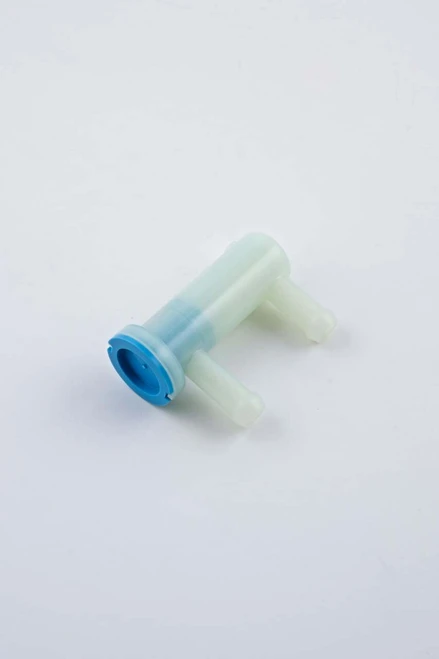
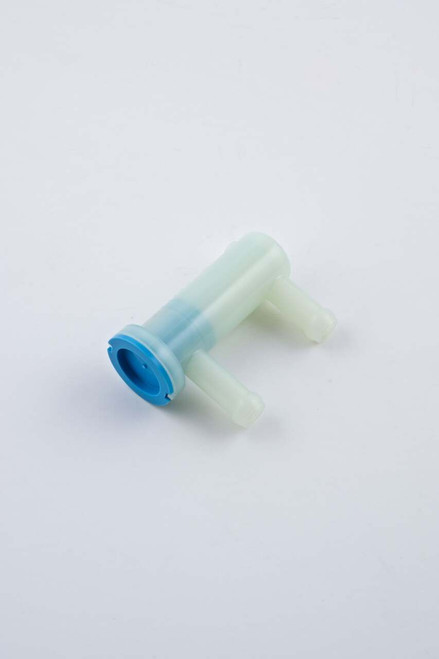
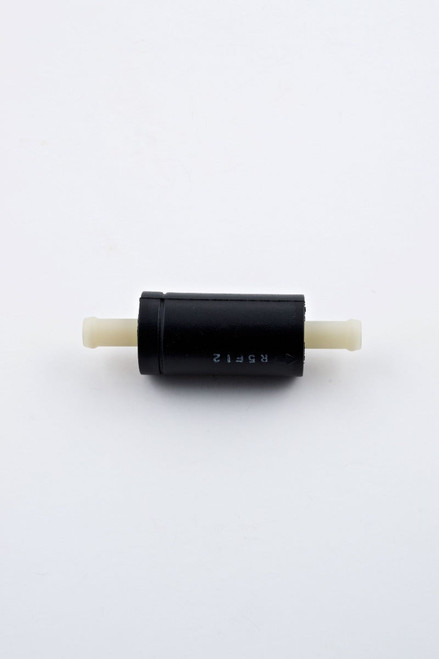
IN-LINE FILTER Some models have an in-line filter between the primary fuel pump and the VST (vapor separator tank) and/or in the fuel line between the VST and the fuel rail, located along the top of the outboard.
FUEL INJECTOR SCREEN
These fine-mesh screens are built into each fuel injector. If debris makes it here, the fuel injectors must be professionally removed and cleaned or replaced.