
Buying Used Outboard Engines: Tips to Avoid Scams and Headaches
Sep 22nd 2026
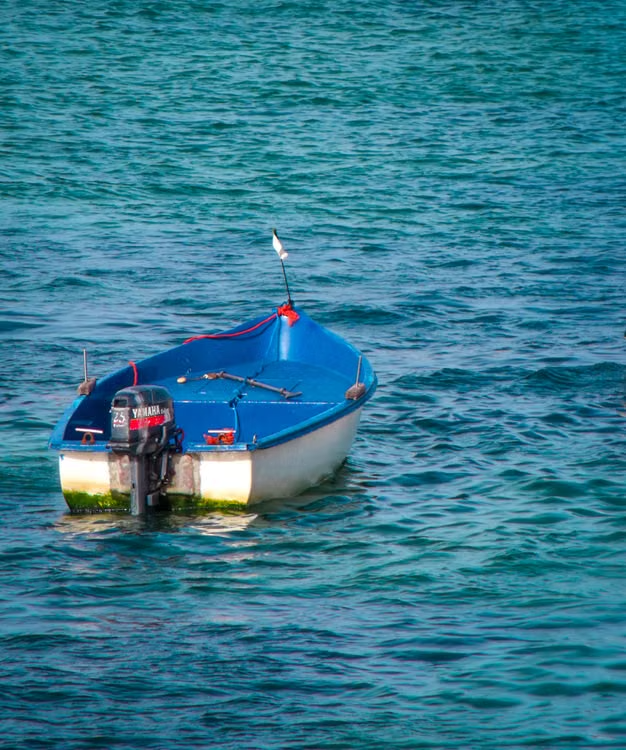
Buying used items can be a great way to get what you need on a budget, but it comes with risks. If you purchase a used outboard engine that’s flawed or damaged, the repairs can cost you more than the motor itself.
This guide walks you through exactly what you need to know, as a customer, when buying used outboard engines. Learn everything from what to inspect and the red flags that should make you walk away to where to buy safely and the questions to ask a seller to land a reliable motor at a fair price.
Table of Contents
- Why Is the Used Outboard Market Full of Risk?
- What to Check Before You Buy
- Red Flags to Walk Away From
- Where to Buy Used Outboard Engines Safely
- Questions to Ask Every Seller
- When to Walk Away vs. Negotiate
- Protect Yourself When Buying a Used Outboard
- FAQs
Why Is the Used Outboard Market Full of Risk?
An unfortunate truth about boat ownership is that boats can outlive their original engines. Buying a used outboard can save you money, but it’s not always easy to find one that is both reliable and accurately priced.
When looking for a used motor, the first question is why it’s being sold. Because there is a high demand in the used outboard market, sellers can push prices higher than the motor’s actual value. Dishonest sellers can use the demand to scam unsuspecting buyers who don’t do their homework ahead of time.
Problems such as corrosion, overheating, impact damage, neglect, and internal engine wear won’t show up in online photos. Boaters who buy a damaged used engine may end up paying more in repairs than the purchase price of a new motor.
What To Check Before You Buy
To make sure you get what you pay for, inspect key components before agreeing to the purchase. Even if the motor looks great and the seller says it’s in peak condition, you need to verify their claims.
Physical Inspection
It’s always best to inspect the engine in person before agreeing to buy it. When performing a physical inspection, first check for corrosion on clamps and cowling. While some wear and tear is inevitable, extensive corrosion can signal years of sustained saltwater exposure and poor maintenance.
Second, inspect the propeller. Check for dings, bent blades, cracks, and other damage that can affect performance. Also, check the lower unit. Cracks, dents, or other signs of impact damage can signify more serious problems.
If you notice fresh paint, it could be an attempt to cover up damage. Don’t hesitate to ask the seller why the motor was repainted and voice any other concerns.
Mechanical Checks
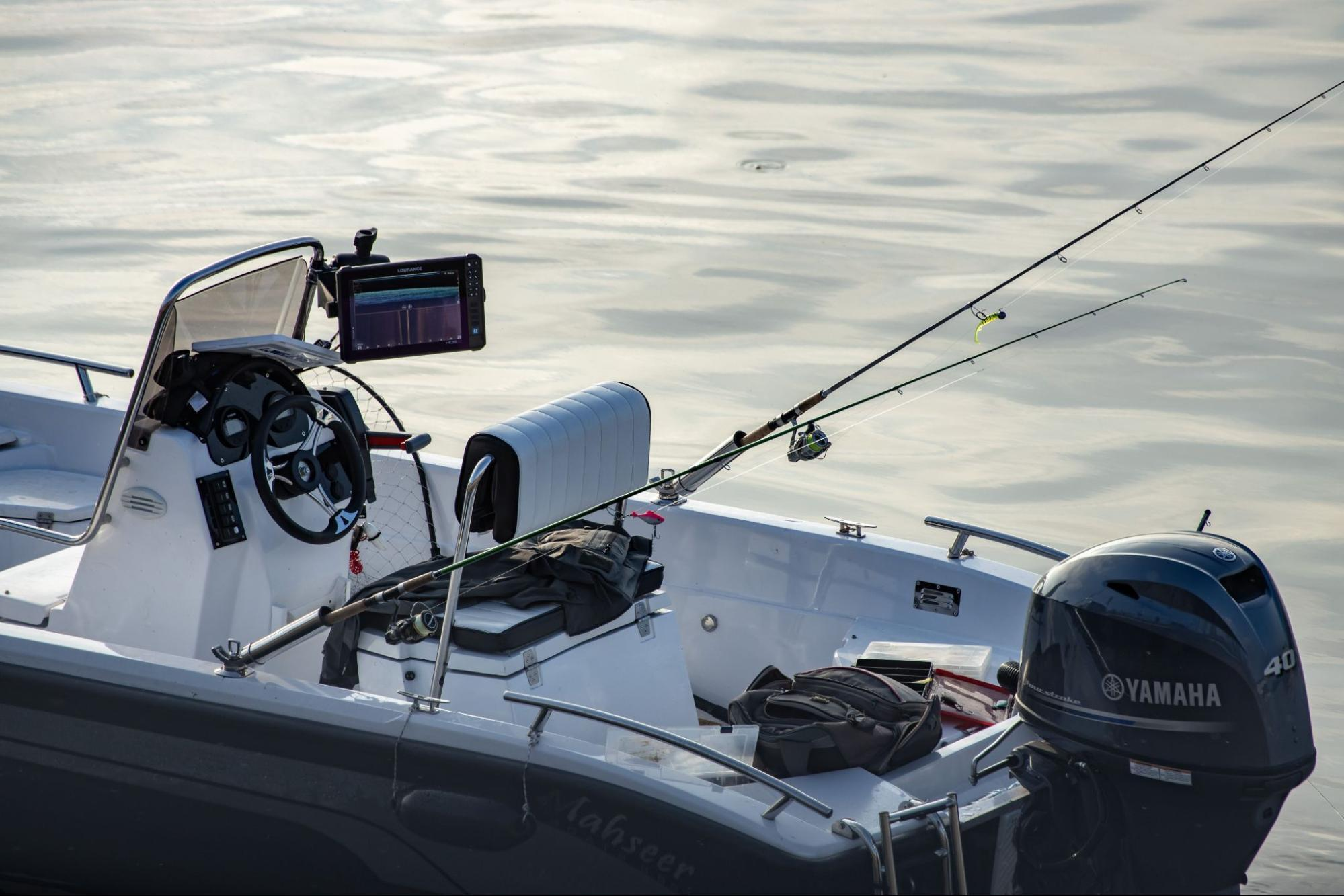
Even the most thorough physical inspections can miss hidden mechanical problems. Before buying, arrange for a professional pre-purchase inspection from an authorized dealer, such as RJ Nautical. Boat engine experts can run a series of tests to help you understand the engine’s true condition.
For example, a compression test can assess the condition of the cylinders and gearbox. The readings vary by engine, so an expert can help you determine if the test results are consistent with the manufacturer’s specifications.
It’s also a good idea to conduct a water test before agreeing to any deal. Water tests involve running the outboard on a boat to see how the propulsion system performs under real-world conditions. Pay attention to how easily the motor starts, if it maintains a steady idle, how smoothly it shifts, and whether it delivers consistent power under acceleration and load.
The final step is to review the service history carefully. Maintenance records will clue you into the quality of upkeep and whether routine services were performed on schedule. It could also reveal previous repairs or recurring problems.
Red Flags To Walk Away From
Always draw a line in the sand and be okay with walking away when something doesn’t seem right. If a seller can’t or refuses to produce service records to back up their claims, you shouldn’t just take their word for it. Similarly, if they won’t accommodate your inspection requests or water tests, it’s reasonable to take this as a major red flag and assume that the engine doesn’t work as advertised.
If the price is dramatically below the market value, it’s often to distract you from an underlying issue. While it’s possible that you’ve found a legitimate bargain, the low price could be because of unseen mechanical problems, a fraudulent listing, or even a stolen motor. Always ask to see paperwork, the title, or the ownership history to help verify it is a legitimate sale, per guidance from the National Insurance Crime Bureau.
If you’re dealing with an online seller, make sure you try to see and inspect the motor in person. Vague listing photos, photos taken from a distance, or suspiciously minimal photos could hide damage or corrosion.
Where To Buy Used Outboard Engines Safely
Where you buy a used outboard can either solve or create a number of issues. Reputable dealers are generally a safe bet because they offer tested, documented inventory. Private sales can offer more savings but also add more risk, big and small, with little to no recourse if something goes wrong.
It’s not recommended to deal with unverified marketplace listings or sellers who can’t provide an engine history, even though it may give you access to a wider range of used outboard motors. Always steer clear of sellers who can’t provide the outboard's serial number and documentation or refuse to let you see the motor in person.
Questions To Ask Every Seller
Before scheduling an inspection, it’s best to ask the seller/shop a few quick questions to make sure it’s worth your time, including:
- How many hours has the engine logged?
- Why are you selling the engine?
- Have any parts been replaced or repaired?
- Can you give me proof of professional service dates?
- Are you the legal owner, and can you provide proof?
- Are there any known mechanical or electrical problems?
- Can an authorized dealer inspect this engine?
Also confirm the engine’s model, horsepower, displacement, and serial number before scheduling an inspection. If the seller won't answer or doesn’t have the information you need, it may be better to walk away and look for a different motor.
When To Walk Away vs. Negotiate
Not every used motor is perfect, and just because there is an issue doesn’t mean you need to abandon the deal. If minor cosmetic flaws won’t affect performance, you can try to negotiate the price down.
A dealer pre-purchase inspection can confirm whether the motor is in the condition the seller claims and meets safety standards set by the American Boat & Yacht Council. If you can’t test or inspect it, walk away. If there are mechanical issues, determine if they’re fixable and factor repair costs into your counteroffer.
A missing title where one is legally required should be a non-negotiable deal-breaker. Ownership problems are serious. Buying a stolen or improperly documented motor can lead to registration problems and financial losses. Authorities may even seize the motor after you’ve already paid the seller, leaving you with little recourse.
Protect Yourself When Buying a Used Outboard
Buying a used outboard engine can be an excellent decision as long as you do your homework first. Inspect it carefully, watch for red flags, buy from a reputable source, and ask the right questions before you pay. Doing your due diligence upfront will save you from learning an expensive lesson later.
For best results, turn to RJ Nautical. As the only Yamaha-certified Marine Service Pro Elite in California, our experts assist local Los Angeles boaters with pre-purchase inspections. However, because of the risks involved, RJ Nautical doesn’t carry used motors and only sells top-of-the-line new Yamaha products.
FAQs
What should I check before buying a used outboard engine?
Before buying a used outboard engine, call RJ Nautical to start the pre-purchase inspection that starts with service records. Then, inspect the lower unit, propeller, cowling, fuel system, and wiring for damage or corrosion. Ask to see maintenance records and confirm the engine’s serial number matches the records. A compression test and on-water test are also important to verify the motor starts, idles, shifts, and runs properly under load.
How do I know if a used outboard engine is reliable?
A reliable used outboard engine should have even compression across cylinders, clean fluids, smooth shifting, steady cooling water flow, and no signs of overheating or excessive corrosion. Review service history, engine hours, and previous ownership details.
What are common scams when buying used outboard engines?
Common scams include sellers hiding mechanical or electrical issues, altering engine hours, selling stolen motors, using fake listings, or refusing inspections and sea trials.
Is it safe to buy a used outboard motor online?
Buying a used outboard motor online is rarely safe. Even if you verify the seller, request detailed photos and videos, confirm the serial number against the manufacturer's model page, and avoid wire transfers or unusual payment methods.
How many hours is too many for a used outboard engine?
There is no single cutoff, but many outboards can last 1,500 to 3,000 hours with proper maintenance. Engine condition matters more than hours alone. A lower-hour motor with poor care can be risky, while a higher-hour engine with regular service records, clean compression, and proper operation may still be a good buy, regardless of how carefully a new engine was broken in.